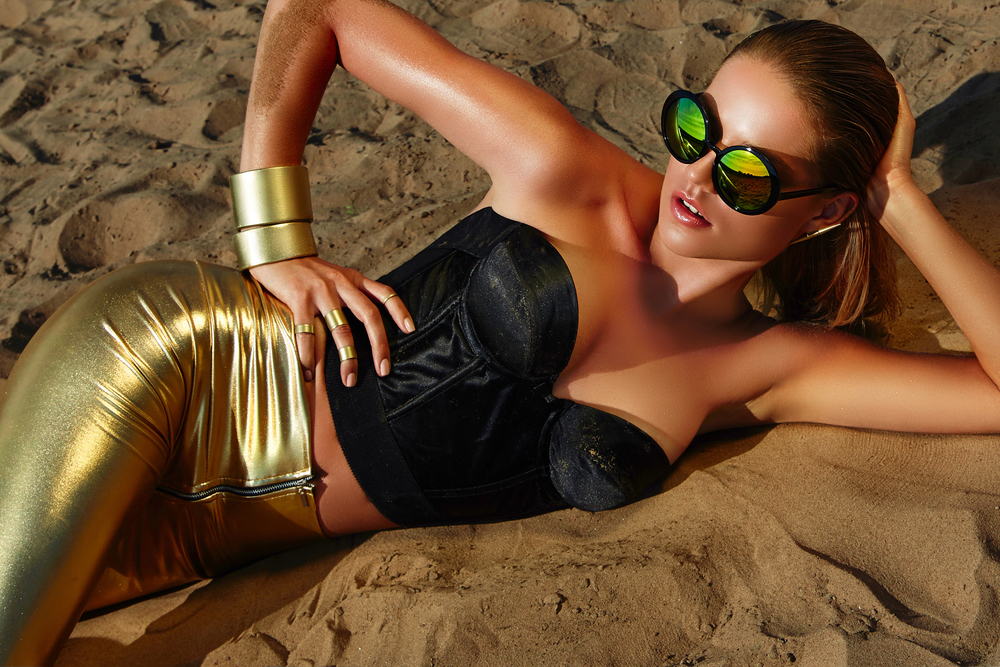
In the glamorous world of fashion, modelling plays a pivotal role in showcasing the latest trends, designs, and styles. While many might perceive modeling as simply striking poses in front of a camera, there is a fascinating art and science behind this profession. Models are not only beautiful and photogenic; they are skilled professionals who bring life and allure to fashion campaigns and photoshoots. Join us as we delve into the secrets and complexities of the modeling industry, uncovering the intricate process behind the captivating images we see in magazines and on billboards.
The Role of Models in Fashion Photography
Models are the canvas on which designers and photographers bring their visions to life. They are the bridge between the artistry of clothing and the desires of consumers. Through their poses, expressions, and body language, models convey emotions and narratives that help create compelling stories around brands and their products. They transform garments into covetable pieces that incite aspiration and admiration.
The Anatomy of a Photoshoot: Behind the Scenes
Behind every stunning photoshoot lies a complex, well-choreographed process. From choosing the right location to assembling a professional team, a photoshoot requires meticulous planning and coordination. The team typically consists of a fashion stylist, hair and makeup artists, a photographer, and sometimes a creative director or art director to oversee the entire production.
The fashion stylist's responsibility is to curate a selection of clothes and accessories that align with the brand's aesthetic and thematic direction. They ensure that every piece contributes to the visual narrative and fits the model perfectly. Hair and makeup artists play an essential role in transforming the model into the desired look. Their skillful touch can create various styles, from natural and fresh-faced to avant-garde and extravagant.
The photographer is the ultimate visionary, capturing the perfect moments that encapsulate the essence of the brand and its collection. They work closely with the model, guiding them through poses, expressions, and movements to achieve the desired mood and aesthetic. Lighting and composition play a crucial role in creating the right ambiance and highlighting the garments' intricate details.
The Art of Posing: Creating Vivid Stories
Posing is an art form that requires skill, practice, and intuition. Models must master different poses that enhance the clothes they wear, highlighting key features and flattering their figure. Each pose tells a story and elicits a particular emotion, whether it's confidence, sensuality, or playfulness. From a subtle hand movement to a fierce gaze, models must embody the essence of the brand and communicate it through their body language.
Fashion photographers collaborate closely with models during a shoot, offering guidance and direction on how to pose to achieve the desired look. It is a dynamic process where the model's intuition, creativity, and ability to take direction merge with the photographer's vision to create arresting and evocative images.
The Science of Expression: Eyes that Speak Volumes
While modeling poses are important, the eyes are truly the window to the soul in fashion photography. Models must learn to use their gaze to convey emotions, captivating viewers and drawing them into the story. The eyes can communicate desire, mystery, vulnerability, or determination, giving depth to the image and creating a connection with the audience. The science behind a model's expression lies in their ability to channel their thoughts and emotions into their eyes while maintaining a captivating and engaging presence.
Frequently Asked Questions:
Q1: How do models prepare for a photoshoot?A1: Models prepare for a photoshoot by ensuring they are well-rested, hydrated, and properly nourished. They may also research the brand and the photographer's style, practice different poses, and gather inspiration from magazines and social media.
Q2: Are all models the same size and shape?
A2: No, the fashion industry showcases a diverse range of body types and sizes. Models can range from petite to plus-size, and the industry is continuously evolving to embrace inclusivity and body positivity.
Q3: Do models wear their own clothes during photoshoots?
A3: Typically, models do not wear their own clothes during a professional photoshoot. Clothing is provided by fashion stylists, who curate outfits specifically for the shoot based on the brand's vision and aesthetic.
Q4: How long does a photoshoot usually last?
A4: The duration of a photoshoot can vary depending on various factors, such as the number of outfits, locations, and the complexity of the production. A photoshoot can last anywhere from a few hours to a full day or even longer for large-scale campaigns.
Q5: Can anyone become a model?
A5: While the fashion industry has long been known for its strict standards and requirements, the modeling landscape has evolved to embrace diversity and individuality. Agencies now seek unique looks and personalities, opening doors for aspiring models with various backgrounds, sizes, and ethnicities.
Modeling is undoubtedly an art form that combines creativity, skill, and dedication. Behind the captivating images we see in fashion magazines, there are countless hours of preparation, coordination, and collaboration to ensure every detail is perfect. So the next time you admire a stunning fashion photograph, remember the art and science that went into creating storytelling through modeling.
Other useful resources
- https://www.planetmodelphoto.com/models/modeling/usa/charlotte/nc-north-carolina
- https://www.planetmodelphoto.com/models/modeling/usa/wilmington/nc-north-carolina
- https://en.wikipedia.org/wiki/Category:Modeling_(profession)
- https://en.wikipedia.org/wiki/Modeling_agency